
The evolution of gambling A historical perspective on games of chance
The Origins of Gambling
The practice of gambling can be traced back to ancient civilizations, where games of chance were integral to social and cultural activities. Archaeological findings suggest that dice were used as far back as 3000 BC in Mesopotamia, showcasing humanity’s long-standing interest in chance-based games. These early forms of gambling were often tied to religious ceremonies or used as methods to make decisions, highlighting the dual nature of gambling as both a game and a tool. As you explore various options, consider trying bitcoin casino slots for a modern twist on traditional games.

As societies evolved, so did the complexity of gambling activities. Ancient Greeks and Romans engaged in various gambling games, which were not only forms of entertainment but also avenues for social interaction. The Romans, in particular, popularized betting on gladiatorial contests, further embedding gambling into the fabric of their culture.
The Middle Ages and Renaissance
The Middle Ages saw a shift in gambling activities, with the church often viewing games of chance with suspicion. Despite these restrictions, gambling flourished in secret, evolving into more organized forms. During this period, the invention of playing cards introduced new dynamics to gambling, paving the way for various card games that remain popular today.
The Renaissance period marked a resurgence in gambling popularity, with the establishment of the first public gambling houses in Italy. These venues provided a structured environment for games of chance, leading to the growth of modern gambling practices. The emergence of games like baccarat and various forms of poker during this time laid the groundwork for contemporary gambling culture.
The Rise of Casinos
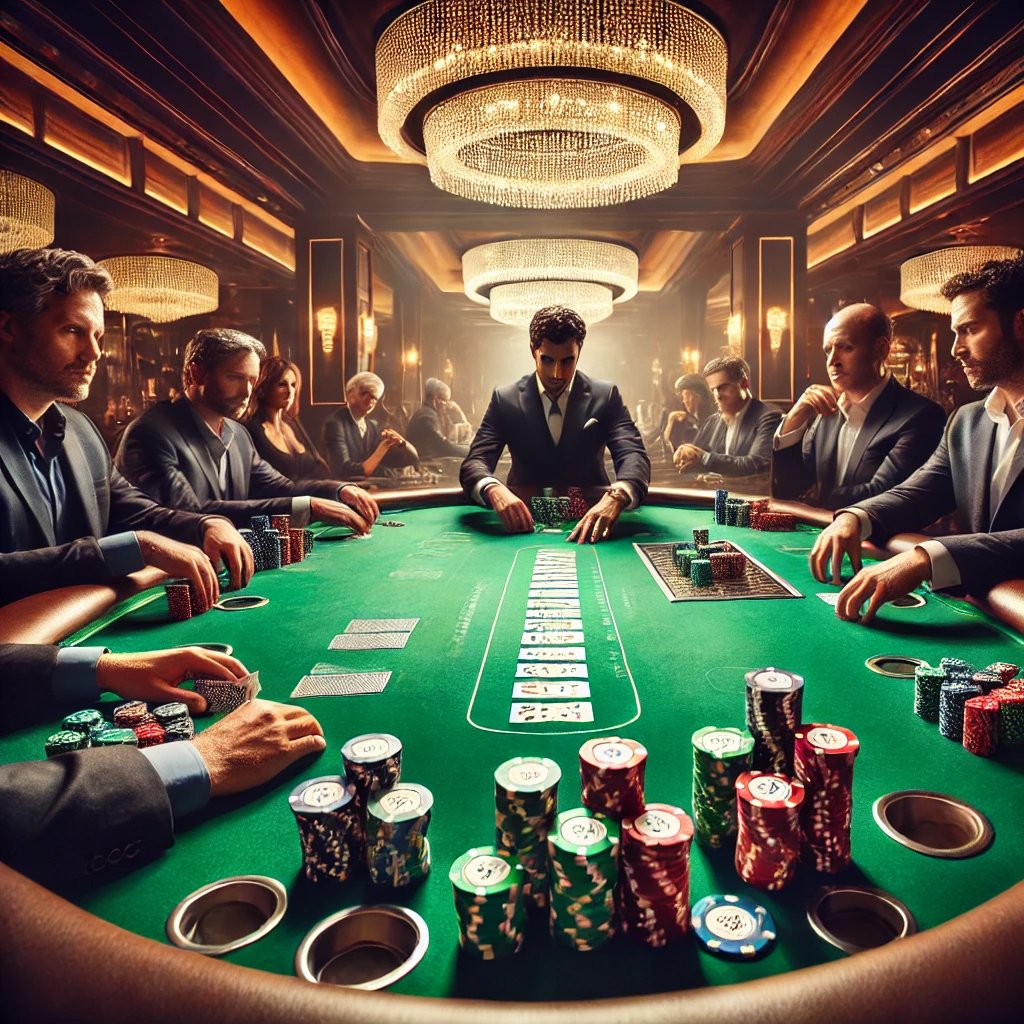
The 17th century heralded the birth of the modern casino, starting in Italy and spreading across Europe. The establishment of the Venice Casino in 1638 set a precedent for gaming houses, combining luxury with the thrill of chance. The casino experience evolved into a social event, attracting individuals from various walks of life and establishing a new form of entertainment.
As casinos proliferated, they began to incorporate a variety of games, including roulette and blackjack. This diversification appealed to a broader audience, leading to the eventual rise of Las Vegas in the 20th century as the gambling capital of the world. The iconic Las Vegas Strip became synonymous with the glitz and glamour of casinos, transforming gambling into a mainstream leisure activity.
Technological Advancements and Online Gambling
The late 20th and early 21st centuries witnessed significant technological advancements that revolutionized the gambling industry. The advent of the internet facilitated the emergence of online casinos, allowing players to engage in their favorite games from the comfort of their homes. This shift not only expanded the reach of gambling but also introduced new gaming options that appealed to tech-savvy audiences.
Moreover, the incorporation of mobile technology has further enhanced the accessibility of gambling. Players can now enjoy a variety of games on their smartphones, creating a new era of gambling that prioritizes convenience and engagement. This transformation continues to shape the landscape of games of chance, making it essential for stakeholders to adapt to ever-evolving consumer preferences.
Your Resource for Gambling Insights
This website serves as your go-to resource for understanding the dynamic world of gambling. From its historical roots to contemporary trends, we provide insightful information and analysis that caters to both seasoned gamblers and newcomers alike. By exploring various aspects of gambling, we aim to enhance your knowledge and enjoyment of games of chance.
We are committed to delivering quality content that reflects the evolution of gambling while addressing current issues and innovations. Join us in exploring the fascinating history and future possibilities of this intriguing realm of entertainment.
Добавить комментарий